







Step‑by‑step checklist for visiting a cattery in South East London and Kent
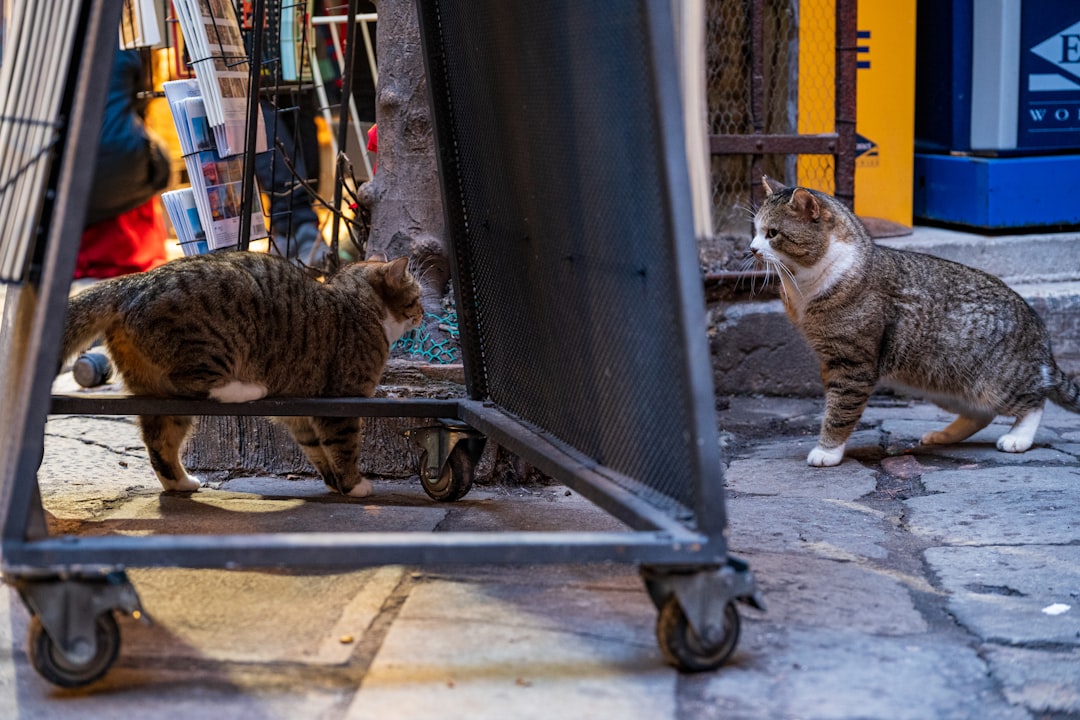
Visiting a cattery is a decisive step when you entrust your cat to someone else. I will guide you through a step-by-step checklist tailored for South East London & Kent, so you can assess cleanliness, licensing, safety and general welfare with confidence. You will leave the visit with a clear verdict and practical questions to ask the staff.
Step-by-step checklist for visiting a cattery in South East London & Kent
Before the visit: research, booking and paperwork
I always start with online research: check the cattery’s reviews, website photos and whether they display memberships (eg. ISFM, UK Cat Boarding Association). When you book, ask for a pre-visit appointment, required vaccination records and a written list of services and prices. For properties in South East London & Kent, verify proximity to your home and transport links — travel stress matters for cats.
On arrival: first impressions and reception
The first moments say a lot. Greet the staff and observe how they react to you and to cats. Are they calm, professional and willing to answer questions? A friendly, transparent reception usually signals good customer communication. Note odours, general noise levels and whether cats present seem relaxed rather than distressed.
Unit-by-unit inspection: accommodation and comfort
Walk through the accommodation area if allowed. Inspect individual units for:
- Size and enrichment (perches, hiding spots).
- Bedding condition: clean, dry, no wet matting.
- Ventilation and natural light.
- Separation of cats by temperament.
I look for secure doors and clean containment between units to prevent cross-contact. Ask about alternative arrangements for cats that need quiet spaces or are less sociable.
Evaluating hygiene standards and disease control
Cleaning routines, laundry and pest control
Ask how often units are cleaned (ideally daily) and how bedding is laundered. I expect a documented cleaning schedule, disposable or dedicated mops, and separate cleaning equipment for litter areas. Inquire about pest control contracts for fleas and rodents — prevention rather than ad-hoc treatment is the mark of a professional cattery.
Vaccination, illness handling and isolation
Confirm the cattery’s vaccination requirements — typically FHV, FCV and FPV (feline infectious diseases) and clarity on boosters. Ask what happens if a cat falls ill: is there an isolation room, a written protocol for contacting your vet, and a designated veterinary practice they use? A robust policy for contagion control is non-negotiable.
Licensing, insurance and regulatory compliance
Local authority licensing and standards in SE London & Kent
Catteries in the UK must be licensed by the local council. I check for a visible licence certificate and note the issuing authority (London borough or Kent district). Licensing inspections cover welfare, staffing and hygiene; request the licence number and date of last inspection. For South East London, borough licensing variations exist — you can look up inspection outcomes online.
Insurance, record-keeping and staff training
Verify public liability insurance and whether staff have animal-handling training or first-aid certificates. I review sample records: admission forms, vaccination logs and weight/health notes. Good operators keep meticulous digital or paper records for each cat and can demonstrate traceability of any incident.
Safety checks and emergency preparedness
Structural safety, escape prevention and enrichment
Check locks, windows and external fences for potential escape routes. Doors should be double-secured where cats transit. I inspect materials for sharp edges and check play areas for secure toys. Enrichment should be both physical and mental: scratching posts, elevated resting places and quiet retreats.
Fire safety, emergency plans and veterinary access
Ask to see the fire risk assessment and evacuation procedure. There should be fire extinguishers, clear exit routes and staff trained in evacuation of animals. Also confirm out-of-hours emergency veterinary arrangements and transport logistics to the nearest 24-hour vet. Quick access can save lives.
- Verify displayed licence and date of last inspection
- Confirm required vaccinations and handling of sick cats
- Observe cleaning routines and laundry practices
- Check escape-proofing and enrichment options
- Ask about staff qualifications and insurance
- Inspect emergency plans and local vet arrangements
Final tips for selecting a cattery in South East London & Kent
I encourage you to trust both head and heart. Practical checks — licence, vaccinations, cleanliness, emergency plans — are the baseline. Equally weigh how staff interact with cats and with you. For South East London & Kent, consider travel time and stress reduction: a slightly more expensive cattery closer to home can be the best choice for a nervous cat. When in doubt, request a second short visit or ask for references from other local clients. With this checklist, you will make an informed decision and leave your cat in capable, comfortable hands.
For a practical example of how a Kent cattery lays out its facilities, policies and booking information in a clear, user-friendly way, see upper-ruxley-cattery.co.uk. Comparing how different operators present accommodation details, vaccination rules and photo evidence can help you spot which ones meet the standards described above.