







Essential vaccination and parasite control for cats before UK cattery boarding
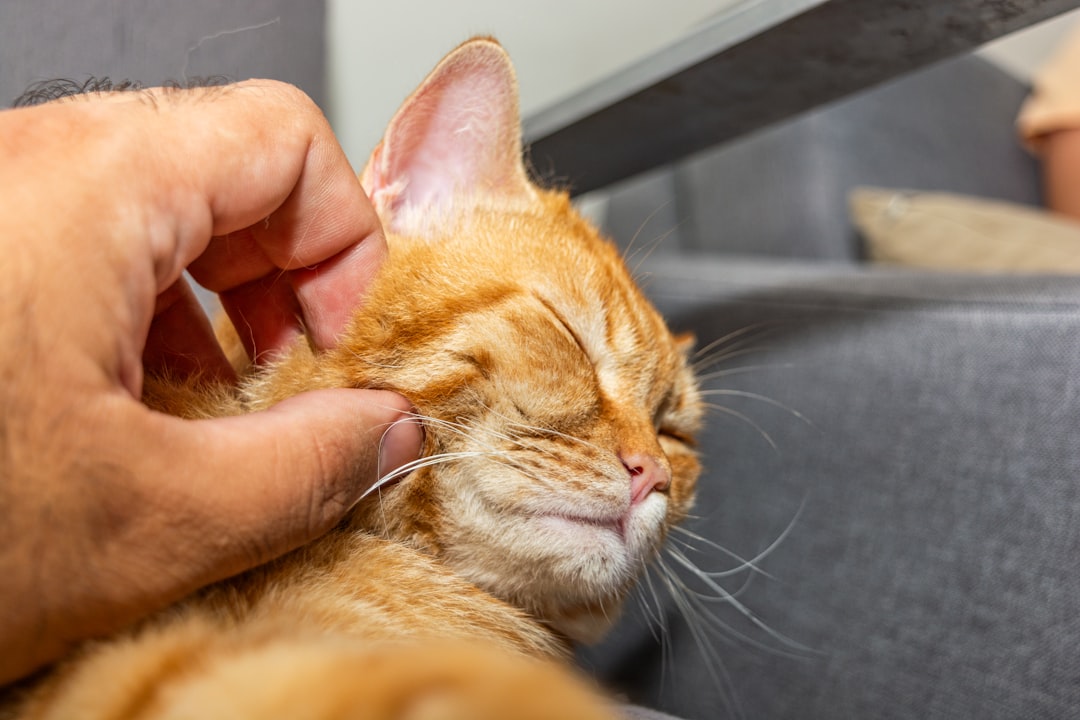
Caring for your cat before cattery boarding can make the difference between a relaxed holiday for you and a stressful experience for your pet. I’ll walk you through the vaccinations, parasite treatments and practical checks commonly required by UK catteries, explain timing and documentation, and give clear, actionable advice so you arrive prepared and confident.
What vaccinations UK catteries typically require
Core combined vaccine: FPV, FHV and FCV (FVRCP)
Most UK catteries insist on the core FVRCP vaccine, which protects against Feline Panleukopenia Virus (FPV), Feline Herpesvirus (FHV) and Feline Calicivirus (FCV). These diseases can be severe in a boarding environment where stress and close contact raise transmission risk. I recommend you ensure your cat has completed a primary course and received the most recent booster within the timeframe the cattery asks for — commonly within 12 months or up to every 3 years depending on the vaccine brand and vet guidance.
FeLV (Feline Leukaemia Virus): when it’s required or advised
Some catteries require FeLV vaccination for cats that go outdoors or live in multi-cat households, while others only request it for younger cats or those with an unknown status. FeLV spreads through prolonged close contact, so facilities that group cats or take in many unknown cats may ask for proof. If your cat is FeLV-negative but not vaccinated, discuss risk and benefits with your vet — I often suggest vaccination for cats that will board frequently or mingle with unfamiliar cats.
Timing, primary courses and boosters
For kittens, the primary course usually consists of two injections, 3–4 weeks apart, starting at around 8–9 weeks of age. Adults with unknown history typically get a primary course too. Boosters: many vets advise a 12-month booster after the primary course, then subsequent boosters every 1–3 years depending on vaccine type. Always check the cattery’s policy well before your booking — some require boosters no less than 7 days before arrival.
Proof of vaccination and veterinary documentation
What catteries commonly ask you to provide
Catteries will request evidence of vaccination such as a vaccination card, printed vet record, or digital passport entry. They may also want a recent health check or confirmation that your cat is free from contagious conditions. I suggest carrying both physical and digital copies; it speeds check-in and avoids last-minute problems.
If vaccinations are overdue or medically exempt
If your cat’s boosters are overdue, contact your vet immediately — many vaccinations can be administered a week or two before boarding, but some catteries will not accept last-minute jabs. For cats with documented medical exemptions or severe vaccine reactions, provide the vet’s written statement; a cattery may accept extra precautions such as strict isolation or insist on a short quarantine on arrival.
Flea and worm treatments before boarding
Recommended flea prevention and timing
Fleas spread fast in multi-animal settings. Most catteries ask for proof of recent flea treatment, often within 24–48 hours of arrival. Effective options include spot-on treatments, oral flea tablets and collars with rapid kill action. If your cat is already on a long-acting prescription product, bring details to show continuity. I advise informing the cattery in advance if you prefer they administer a treatment on arrival.
Worming protocols and tapeworm control
Routine roundworm and tapeworm control is normally requested; some catteries want worming done within 1–4 weeks of boarding. If your cat hunts or is fed raw food, tapeworm risk is higher and a praziquantel-based product may be recommended. Discuss the exact product and interval with your vet to match cattery policy.
Health checks, quarantine and managing medications
Arrival checks and isolation procedures at catteries
Expect a staff health assessment on arrival: temperature check, visual inspection and sometimes a short quarantine or observation period. If your cat shows signs of illness, many catteries will refuse admission or separate your cat until cleared. I always advise full transparency about recent illnesses or travel; it protects your cat and others.
Administering medication and special-needs cats
Most professional catteries will administer oral meds, insulin or topical treatments for an extra fee. Provide clearly labelled medication, dosing schedule and vet contact details. For anxious or elderly cats, arrange a pre-visit to familiarise them with the environment; this reduces stress and the need for sedatives.
- Check and confirm cattery vaccine and parasite requirements at booking
- Ensure vaccines are up-to-date: FVRCP within the cattery’s specified window
- Provide vaccination proof and recent vet records (digital + paper)
- Give flea treatment within 24–48 hours of arrival; worming within 1–4 weeks
- Inform about meds, special needs and prior health issues; pack labelled supplies
Final checklist: safe boarding for your cat
I want you to leave with a clear, practical checklist. Verify the cattery’s vaccine list (FVRCP and FeLV if requested), book any required vet appointments early, and carry both paper and digital proof. Treat for fleas shortly before drop-off and complete any worming recommended by your vet. Communicate openly about medications and health concerns so the facility can provide tailored care. Do this and you’ll give your cat the best chance of a calm, healthy stay — and you’ll enjoy your time away with peace of mind.
For a clear example of how a UK cattery lays out vaccination, parasite and admission requirements, see upper-ruxley-cattery.co.uk to compare their stated policies and timelines with the checklist above.