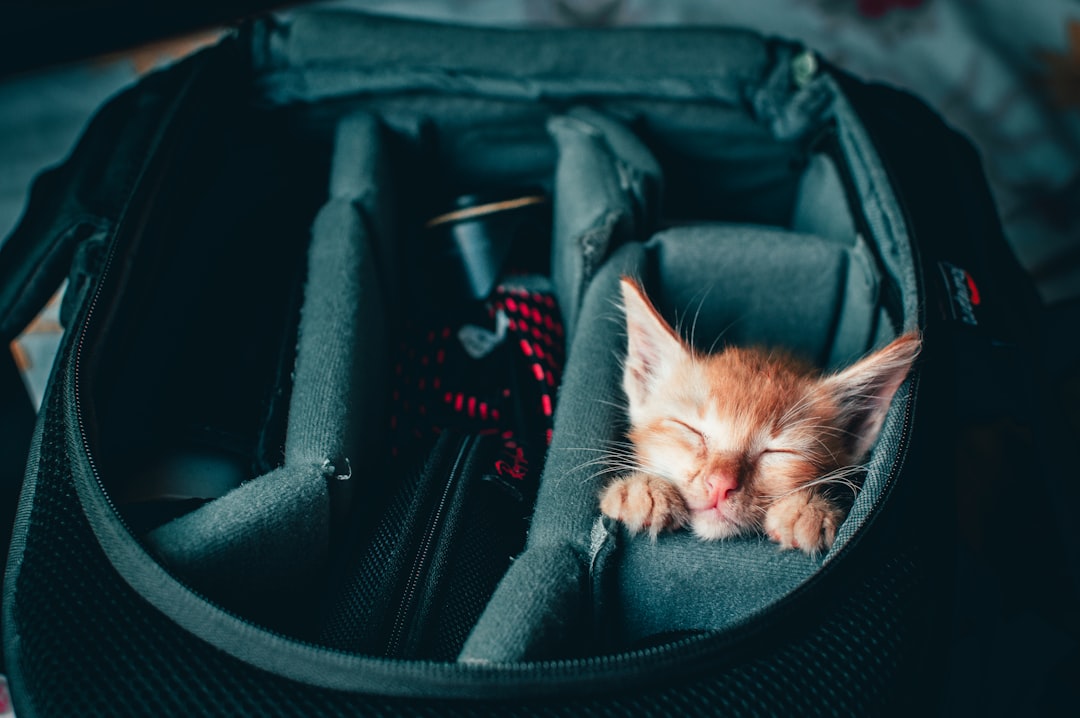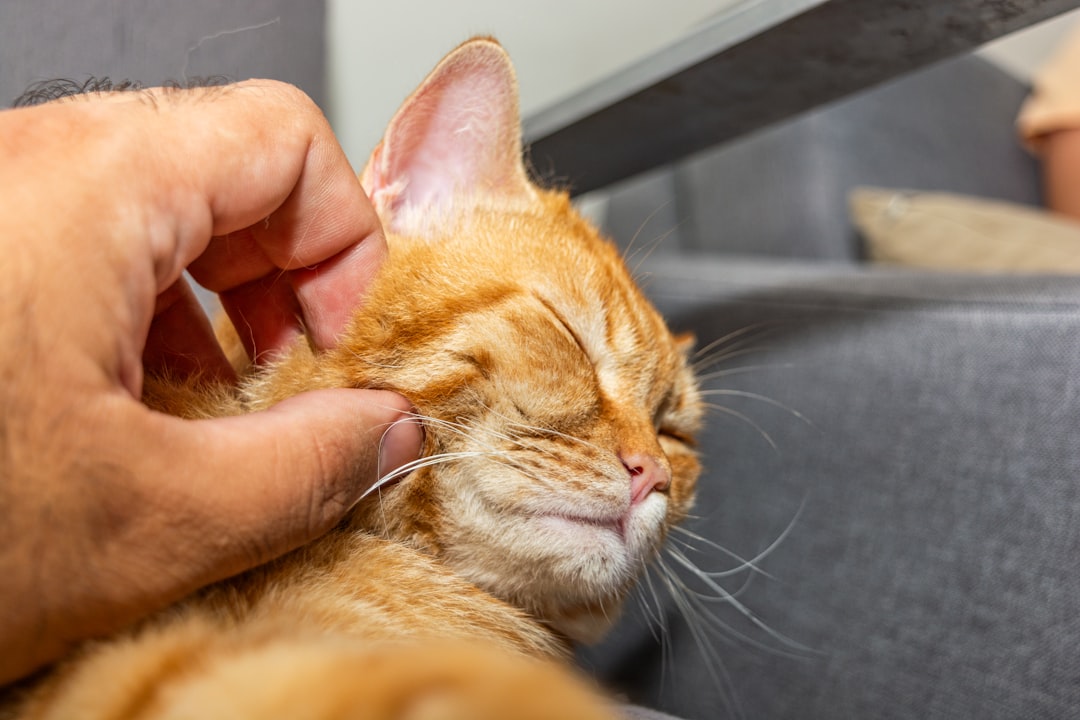









Discover expert, practical advice on stress-free cat boarding in South East London and Kent, from choosing a safe, hygienic cattery to understanding vaccinations and health checks. Learn how to prepare your cat for a stay in a cattery, cat hotel or cat chalets, whether for single or multi-cat boarding. Support your feline's wellbeing before, during and after boarding with clear tips on cat care, comfort and happiness.
Stress-Free Cat Boarding in South East London & Kent
Welcome to your practical, no-nonsense guide to stress-free cat boarding. This blog is here to help cat owners in South East London and Kent choose a safe, hygienic cattery, prepare their cats for a stay, and support feline wellbeing before, during and after boarding.
Whether you call it a cattery, cat hotel or cat chalets, you’ll find clear advice on:
- How to choose the right boarding cattery in Kent or cattery in South East London
- What to look for in hygiene, safety and licensing
- Vaccinations, health checks and paperwork you’ll need
- Preparing for both single and multi-cat boarding
- Reducing stress and protecting your cat’s health and happiness at every stage
1. Why Cat Boarding Matters for Your Feline’s Wellbeing
Leaving your cat for the first time can feel daunting. Unlike dogs, many cats are territorial, sensitive to change and can become stressed if their environment suddenly shifts.
A good boarding cattery offers:
- A safe, secure environment with proper cat-only facilities
- Consistent routines for feeding, cleaning and interaction
- Staff trained in feline behaviour and health
- Space, warmth and enrichment that support feline wellbeing
For owners in South East London and Kent, professional cat boarding can be a better option than relying on an inexperienced friend or neighbour, especially for:
- Longer holidays
- Cats needing medication or extra monitoring
- Multi-cat households that need separate or connected chalets
When chosen carefully, a cattery can be a calm, predictable and secure place where your cat feels safe until you return.
2. How to Choose a Safe, Hygienic Cattery
Choosing the right cattery is the single most important step in protecting your cat’s health and happiness while you’re away.
2.1 Check Licensing, Standards and Insurance
In the UK, boarding catteries must be licensed by the local authority.
Look for:
- A current licence displayed on site or on their website
- A star rating (where applicable) and the name of the licensing authority
- Public liability insurance and, ideally, insurance that covers veterinary fees
If the cattery is in South East London or Kent, ask which council licenses them (for example, Bromley, Greenwich, Lewisham, Bexley, Kent County Council or your specific district). Don’t be shy about requesting their licence number.
2.2 Inspect Hygiene and Cleanliness
Hygiene is crucial for preventing disease and keeping your cat comfortable.
During your visit, pay attention to:
- Smell: A mild, clean smell is normal; strong urine or faeces smells suggest poor cleaning
- Litter trays: Clean, not overflowing, changed regularly
- Food and water bowls: Washed and refilled with fresh water
- Floors and surfaces: Free of dirt, hair clumps and old food
- Waste disposal: Secure bins, no waste piled up near the chalets
Ask:
- How often are chalets cleaned and disinfected?
- What products are used? (They should be pet-safe disinfectants)
- How do they prevent disease spread between cats?
2.3 Assess Safety and Security
Your cat should be protected from escapes, accidents and contact with unknown animals.
Check for:
- Double-door or safety corridors to prevent cats bolting outside
- Secure fencing and gates, with no obvious gaps
- Solid construction of the chalets and runs; no sharp edges or loose wires
- Individual housing: Cats from different households should never share a chalet
- Emergency procedures: Fire alarms, extinguishers, clear evacuation plans
Ask:
- How do you handle emergencies or power cuts?
- Is there a veterinary practice on call, and which one?
- How do you manage aggressive or very nervous cats?
2.4 Comfort, Heating and Ventilation
A good cattery feels cosy but well-ventilated, not stuffy or draughty.
Look for:
- Insulated sleeping areas with solid walls and a draft-free bed
- Heating in colder months to keep cats comfortably warm
- Shaded outdoor runs for summer months
- Ventilation that prevents condensation and stale air while keeping cats warm
Cats should have access to:
- A separate sleeping area
- A litter area
- A play/relaxation area with a view or perch
2.5 Enrichment, Space and Daily Routine
For good feline wellbeing, cats need more than a box and a bowl.
Look at:
- Vertical space: shelves, perches, platforms
- Hiding spots: igloos, boxes, covered beds
- Toys and scratching posts: rotated or fresh for each guest
- Visual stimulation: windows, views, or safe sightlines to outside
Ask about the daily routine:
- How many times a day are cats fed and checked?
- Do staff spend one-on-one time with cats that enjoy human contact?
- How do they manage shy, elderly or highly active cats?
2.6 Staff Experience and Communication
Cattery staff should be comfortable handling different types of cats and spotting early signs of illness.
Ask:
- What training do staff receive in cat care and behaviour?
- How many staff are on duty per day, and how many cats do they care for?
- Are staff on site overnight, or is the premises secured and monitored?
Good communication is also vital. Ask how they will keep in touch:
- Do they offer text, email or photo updates?
- Will they contact you and your vet if they notice any behavioural change or health concern?
3. Understanding Vaccinations and Health Checks for Boarding
Most reputable boarding catteries in South East London and Kent will require proof that your cat is up to date with vaccinations and generally fit to board.
3.1 Core Vaccinations for Cattery Boarding
Typical UK boarding cattery requirements include vaccination against:
- Feline panleukopenia virus (FPV) – also known as feline infectious enteritis
- Feline calicivirus (FCV)
- Feline herpesvirus (FHV-1) – both FCV and FHV-1 are major causes of cat flu
These are often given in a combined vaccine (for example F3). Many catteries require a booster within the last 12 months, but policies can vary.
Some may also recommend vaccination against:
- Feline leukaemia virus (FeLV), especially for cats that go outdoors, young cats, or in multi-cat households
3.2 Timing Your Cat’s Vaccinations
Avoid vaccinating your cat at the last minute.
- Aim to have your cat fully vaccinated at least 2 weeks before boarding
- If your cat’s booster is overdue, you may need to restart the course, which can take longer
- Always ask the cattery how recent the vaccination must be to comply with their policy
3.3 Health Checks and Parasite Control
Before a stay in a boarding cattery, plan a general health MOT with your vet, especially for:
- Senior cats
- Cats with chronic conditions (kidney disease, diabetes, hyperthyroidism)
- Cats on long-term medication
Ask your vet about:
- Flea, tick and worm treatments: these should be up to date before boarding
- Any adjustments needed to diet or medication schedules
- Whether your cat is fit to board, particularly after recent illness or surgery
3.4 What Health Records to Bring
Catteries will usually ask for:
- Your cat’s vaccination certificate
- Details of your registered veterinary practice
- Information on medications, doses and timing
- Notes on allergies, intolerances or special diets
Always keep this information current and legible. Provide it in writing and double-check the cattery has understood everything.
4. Preparing Your Cat for a Cattery Stay
Preparation is key to reducing stress and helping your cat adapt quickly to their temporary home.
4.1 Get Your Cat Used to the Carrier
Many cats associate the carrier with vet visits and fear. Make the carrier part of normal life:
- Leave it open and accessible at home, not hidden away
- Put a soft blanket and a few treats or toys inside
- Feed your cat near or inside the carrier to build positive associations
- Practise short, calm car rides before the actual trip to the cattery
4.2 Maintain a Stable Routine Before Boarding
In the week or two before boarding:
- Keep feeding times and types of food consistent
- Avoid major changes such as new pets, renovations or loud events
- Ensure your cat has plenty of calm, positive interaction with you
Stability beforehand makes it easier to cope with the temporary change.
4.3 What to Pack for Your Cat
Ask the cattery what they provide and what you can bring. Common items include:
- Bedding or blankets that smell of home
- A favourite toy, tunnel or scratching mat
- Your cat’s usual dry and/or wet food, if the cattery allows it
- A worn t-shirt or pillowcase with your scent for extra reassurance
Label all items with your cat’s name. Remember that anything you send may get dirty or chewed, so avoid irreplaceable objects.
4.4 Feeding and Medication Instructions
Provide clear written instructions for:
- Food brand, flavour and exact portions
- Timing of meals and any treat limits
- Medication names, doses and times, including whether they must be given with food
If your cat is a fussy eater or prone to tummy upsets:
- Let the cattery know what foods are safe alternatives
- Note any foods your cat must avoid
- Consider packing small portions of their favourite, vet-approved treats
4.5 Behaviour Notes the Cattery Should Know
The more the cattery understands your cat, the better they can support their wellbeing.
Tell them if your cat:
- Is shy, bold, nervous or very energetic
- Dislikes handling in certain areas (for example belly, paws)
- Has triggers such as loud noises, dogs or other cats
- Has any history of escaping, aggression or hiding for long periods
Honesty helps staff anticipate behaviour and respond in a calm, consistent way.
5. Multi-Cat Boarding: Keeping Peace Between Cats
If you own more than one cat, you may opt for multi-cat boarding, especially if they are closely bonded.
5.1 Should Your Cats Share a Chalet?
Consider shared vs separate chalets based on:
- Their relationship at home: do they groom each other and sleep together, or do they tolerate each other at a distance?
- Their age, health and temperament: an elderly or frail cat may feel overwhelmed by a younger, active cat
- Individual feeding needs: cats on special diets or differing amounts may be easier to manage separately
Some catteries in Kent and South East London offer interconnecting cat chalets so cats can be housed together or separately while still seeing and smelling each other.
5.2 Preventing Conflict in Multi-Cat Boarding
To reduce stress and conflict:
- Ensure the chalet has multiple resting spots and hiding places
- Provide more than one litter tray and feeding station if possible
- Inform the cattery of any hierarchy issues at home
Ask the cattery:
- How do you monitor group dynamics between cats from the same household?
- Would you separate them if conflict appears, and how would you manage that?
5.3 When Separate Boarding is Kinder
Consider separate chalets if:
- There is bullying, frequent chasing or blocking of resources at home
- One cat is easily stressed or has medical conditions made worse by tension
- Your cats have only recently been introduced and are not fully settled together
Boarding can intensify existing tensions. It is not a failure to decide that your cats will actually be calmer and happier with their own spaces.
6. Your Cat’s Wellbeing During Boarding
Once your cat is at the cattery, their day-to-day experience will shape how they cope and how quickly they settle.
6.1 What Happens on Arrival
On arrival, staff should:
- Check your paperwork, vaccination records and contact details
- Ask about your cat’s routine, health and preferences
- Place your cat in their allocated chalet and allow time to settle
You can help by:
- Staying calm and confident; cats pick up on your emotions
- Avoiding a long, emotional goodbye – gentle, quiet reassurance is enough
- Letting staff take over once your cat is in the chalet
6.2 Signs of a Well-Managed, Caring Cattery
Although you won’t be there during the stay, good catteries are usually transparent and communicative.
You can expect:
- Quick responses to messages or calls
- Honest updates if your cat is not eating well, hiding a lot or seems unwell
- A willingness to work with your vet if there are concerns
On collection, your cat should:
- Appear generally clean and well-groomed
- Have clear eyes, nose and ears (beyond normal minor discharge)
- Not be dramatically thinner or dehydrated
Some weight loss due to stress is possible but should be minimal and quickly reversible with normal feeding at home.
6.3 Managing Stress and Anxiety in Boarding
Even with the best care, some cats will show signs of stress, such as:
- Hiding most of the time
- Reduced appetite or picky eating
- Excessive grooming or less grooming than usual
- Temporary changes in litter tray habits
Good catteries support stressed cats by:
- Providing hiding places and raised shelves
- Keeping noise levels low and routines predictable
- Using feline pheromone diffusers where appropriate
- Giving cats space, rather than forcing interaction
If you know your cat is especially anxious, discuss options with your vet and the cattery in advance. Never use sedatives without veterinary guidance.
7. Coming Home: Aftercare and Settling Back In
Your cat’s wellbeing after boarding is just as important as their stay.
7.1 The First 24–48 Hours at Home
Once home, your cat may:
- Hide or sleep more than usual
- Demand extra attention and reassurance
- Seem excited, vocal or slightly unsettled
Help them by:
- Keeping the environment quiet and predictable for a few days
- Offering familiar beds, toys and hiding spots
- Returning to their normal feeding routine as quickly as possible
Avoid inviting crowds of visitors or making big household changes immediately after a boarding stay.
7.2 Watching for Health Changes
Monitor your cat over the next week for:
- Any persistent sneezing or coughing
- Ongoing diarrhoea or vomiting
- Noticeable changes in appetite, thirst or litter habits
- Signs of discomfort, limping or over-grooming
If you’re concerned, arrange a vet check and let them know your cat has recently been in a boarding cattery.
7.3 When to Speak to the Cattery Afterwards
Your feedback helps catteries maintain and improve standards.
Contact them if:
- You have questions about your cat’s behaviour during the stay
- You noticed something on collection that you’d like to discuss (for example, weight change, grooming issues)
- You want to book again but need to adjust the care plan next time
Many good catteries are happy to share notes about how your cat coped so they can refine their approach in future.
8. Building a Long-Term Relationship With Your Cattery
Finding a trustworthy cattery in South East London or Kent can be as valuable as finding a good vet.
8.1 Trial Stays and Short Bookings
If you’re unsure how your cat will cope, consider:
- Booking a short weekend stay as a trial
- Using the cattery for single nights when necessary, so your cat learns that you always come back
- Reviewing how your cat behaved during and after the stay, then adjusting plans
8.2 Keeping Information Up to Date
Maintain a simple file or document with:
- Current vaccination and health details
- Updated contact numbers and emergency contacts
- Changes in diet, medication or behaviour
Share updates with the cattery ahead of each stay so they can adapt care as your cat ages or their needs change.
8.3 Planning Ahead for Peak Times
In South East London and Kent, catteries often book up quickly during:
- School holidays
- Christmas, Easter and bank holiday weekends
- Peak summer months
Reserve early so you can secure your preferred boarding cattery and the specific chalet type you want (standard, luxury, larger cat chalets for multi-cat boarding, etc.).
9. What This Blog Offers
This site is here to support you at every stage of the boarding journey:
- Choosing the right cattery in South East London and Kent
- Understanding licensing, hygiene and safety standards
- Getting your cat vaccinated and health-checked in good time
- Preparing for single or multi-cat boarding
- Reducing stress and protecting feline wellbeing before, during and after each stay
Explore the rest of the blog for:
- Detailed checklists to compare catteries
- Step-by-step guides on pre-boarding preparation
- Advice for senior cats, kittens and cats with medical needs
- Practical tips on transport, feeding and routine
With the right planning and information, cat boarding doesn’t have to be stressful. You can travel with confidence, knowing your cat is safe, cared for and understood – ready to greet you happily when you return.